The Colour Mistress : How Caron Guy Captures Caribbean Living
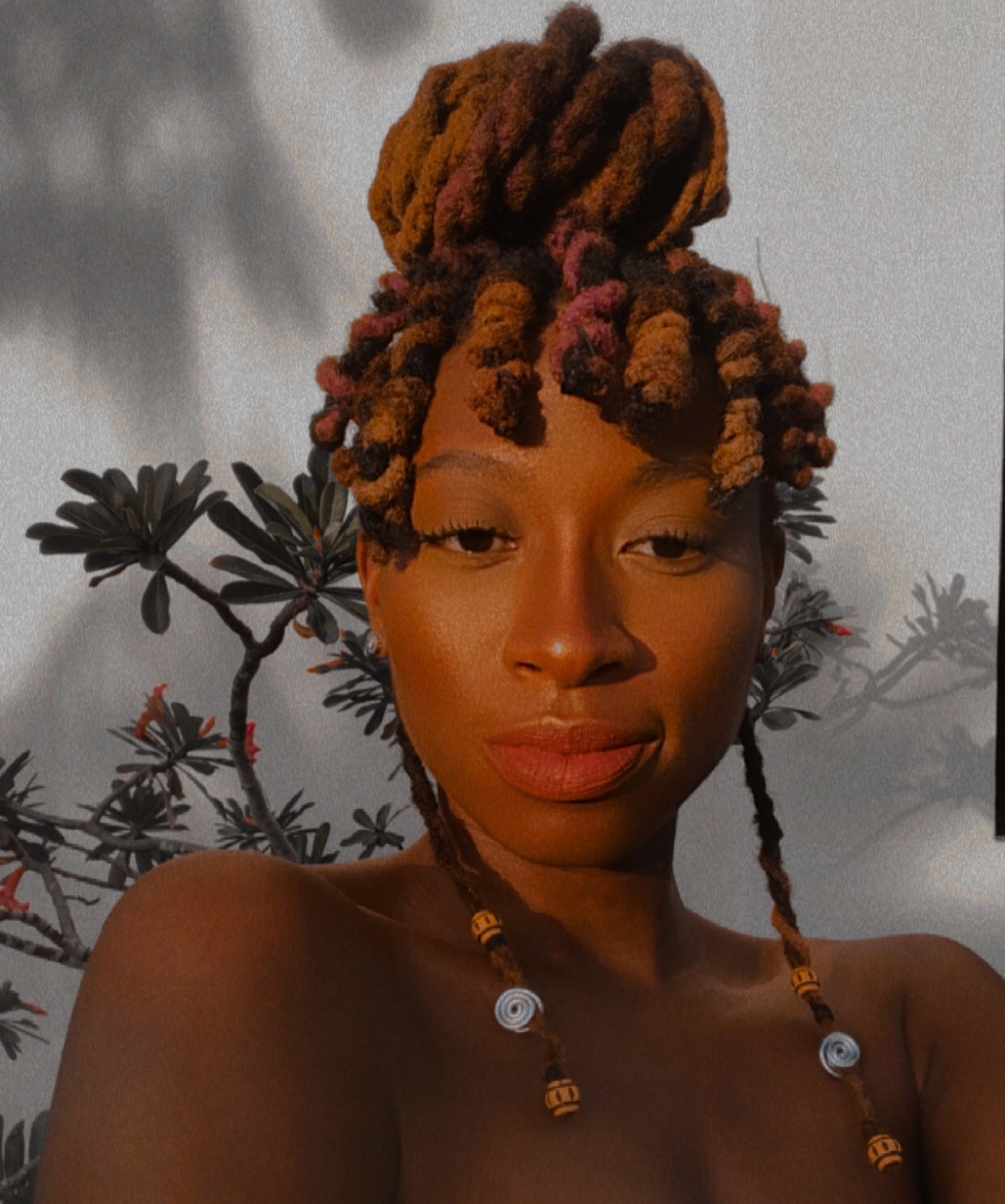

Caribbean art often begins with colour, but in Caron Guy’s work, colour does more than decorate. It speaks. Known as Colour Mistress, the T&T artist builds scenes that feel rooted in island memory: birds in flight, fruit with personality, slow afternoons, folklore energy, and the kind of everyday beauty that people in Trinidad and Tobago recognise without needing an explanation.
Find her artistry featured in the SWEET BOX mailing club curation.
Turning Caribbean life into colour and character
Caron Guy’s art has an immediate visual pull. Her palette is bold, saturated, and full of heat. The colours feel connected to the region: poui blossoms, carnival mas, market fruit, sunset skies, forest greens, and the flash of tropical birds.
What makes the work memorable is how she blends Caribbean familiarity with imagination. Her pieces do not feel like flat postcards. They feel animated. A bird can become a symbol of movement. A fruit can become a character. A hammock can become a whole philosophy of rest.

Her inspiration appears to come from the physical and cultural environment around her. Trinidad and Tobago offers artists a deep well of images: wetlands, beaches, hills, street food, folklore, music, humour, and the layered histories of the islands. Guy draws from that world with affection. She treats local details as worthy subjects, not background decoration.
That is part of the charm of the Colour Mistress name. It suggests command, confidence, and a close relationship with colour. In Caron's hands, colour becomes a language for joy, identity, memory, and pride.
Dripping in mango
In T&T, mangoes carry mood and memory. That makes Guy’s mango man stickers especially meaningful.
By turning mango into a character, she gives personality to something deeply local. The “mango man” idea feels playful, but it also reflects a larger Caribbean habit: animating everyday things with humour, attitude, and story. A mango is not just a mango. It can have swagger. It can have expression. It can become a miniature icon.

Stickers are also an interesting choice of medium. They move differently from framed art. A sticker can live on a notebook, bottle, laptop, phone case, or gift package. It becomes part of daily life. That matters because it lets local art travel in small, affordable, personal ways.
The mango man stickers also speak to identity. They take something ordinary and honour it. They suggest that Caribbean culture does not only live in grand monuments or official symbols. It also lives in snacks, jokes, roadside fruit, and the things people grow up seeing every day.
That is one of Guy’s strengths: she makes the familiar feel collectible.
Celebrating rest as a Caribbean value
Guy’s hammock napping artwork brings a different kind of energy. Where the scarlet ibis scene moves through air and the mango man stickers bounce with humour, the hammock image slows everything down.
A hammock is a simple object, but in Caribbean visual culture it carries a strong message. It suggests shade, breeze, sea air, Sunday quiet, family yards, and the gentle pause after heat and effort. In Guy’s hands, hammock chilling is not laziness. It is balance.

The artwork likely draws on a feeling many people know well: that moment when the body lets go. The scene may include tropical colour, relaxed posture, soft surroundings, or an easy island rhythm. The point is not only the hammock itself. The point is the freedom to rest.
That matters in a region where life can be lively, demanding, and full of movement. Carnival, work, traffic, heat, family responsibilities, and daily survival all create a fast pace. A hammock scene offers another truth: Caribbean life also values stillness, shade, reflection, and ease.
This is where Guy’s colour does subtle work. Bright colours can create excitement, but they can also create comfort. Warm tones can feel like afternoon light. Greens can feel like shelter. Blues can feel like air and water. The hammock becomes a small island of peace inside a larger world of sensation.
A Caribbean vision built from symbols people know

Caron Guy’s work stands out because it treats Caribbean culture as alive, flexible, and full of visual possibility. She does not rely on one symbol or one mood. Instead, she moves between nature, humour, rest, and memory.
Plus with vibrant hand painted collection of fans on the way, together, these pieces show an artist interested in more than pretty colour. They show a visual thinker using colour to hold feeling. Guy’s Caribbean aesthetic is bright, yes, but it is also intimate. It comes from the details people pass by, eat, laugh about, admire, and remember.
That is why Colour Mistress feels like the right name. Caron Guy does not simply use colour. She lets it carry the pulse of T&T life, one bird, fruit, and quiet afternoon at a time.


Comments